



Early Detection. Lasting Protection.
At Singh Eye, Dr. Ashish Singh personally manages every stage of your glaucoma care, from your first diagnostic exam through ongoing treatment, using advanced imaging and a range of treatment options including eye drops, laser, and minimally invasive surgical procedures tailored to your eyes.
What Is Glaucoma?
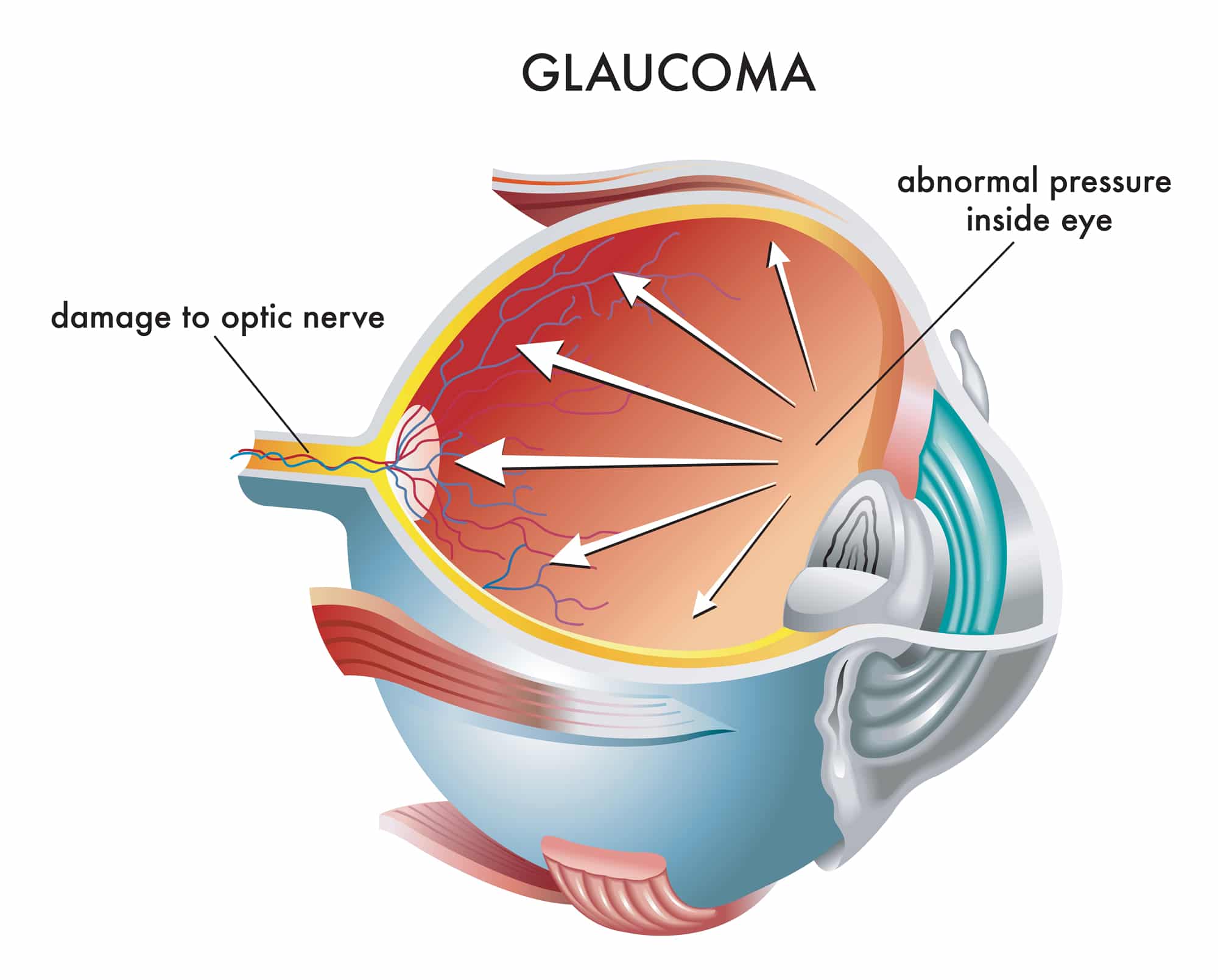
Glaucoma is a group of eye conditions that damage the optic nerve, the bundle of nerve fibers that carries visual information from the eye to the brain. In most cases, this damage is caused by elevated pressure inside the eye, called intraocular pressure (IOP), which gradually harms the delicate nerve fibers over time.
Glaucoma is often referred to as the “silent thief of sight” because it typically progresses without pain or noticeable symptoms in its early stages. Peripheral vision is usually affected first, and by the time changes are noticeable to the patient, permanent vision loss has often already occurred. This is why routine screening and early diagnosis are so important, especially for patients with a family history of glaucoma, elevated eye pressure, or other risk factors.
While vision lost to glaucoma cannot be restored, the disease can almost always be controlled. The goal of treatment is to lower eye pressure and protect the optic nerve from further damage, preserving the vision you have for the rest of your life.
How Is Glaucoma Diagnosed?
Because glaucoma develops gradually and silently, accurate diagnosis depends on detailed imaging and testing rather than symptoms alone.
Dr. Singh uses advanced diagnostic technology to detect glaucoma early and track it precisely over time. One of the primary tools he relies on is Optical Coherence Tomography (OCT) of the optic nerve, which is a quick, painless scan that captures high-resolution images of the optic nerve and measures the thickness of the nerve fiber layer. This allows Dr. Singh to detect subtle damage before it may be noticeable on a standard eye exam.
He also uses Visual Field testing, which maps your peripheral and central vision to identify the specific pattern and extent of any vision loss caused by glaucoma. Repeated over time, this test helps Dr. Singh determine whether your current treatment is effectively protecting your vision.
Together, these tests give Dr. Singh a clear picture of your optic nerve health and vision, allowing him to catch changes early and adjust your treatment plan before vision loss progresses.
Treatment Options for Glaucoma at Singh Eye
Every glaucoma treatment plan at Singh Eye is personalized to the type and severity of your condition.
Dr. Singh offers a range of laser and minimally invasive procedures designed to lower eye pressure effectively while minimizing disruption to your daily life.
Laser Treatments
Minimally Invasive Glaucoma Surgery (MIGS)
For patients who need more sustained pressure control, Dr. Singh offers minimally invasive glaucoma surgery, often performed at the time of cataract surgery or as a standalone procedure.
MIGS procedures use microscopic instruments and tiny incisions to improve the eye’s drainage, offering meaningful pressure reduction with a faster, gentler recovery than traditional glaucoma surgery.
At Singh Eye, we offer:
Dr. Singh will walk you through which option, or combination of options, best fits your diagnosis, your eye pressure goals, and your lifestyle.
What to Expect at Your Glaucoma Visits
Your first glaucoma evaluation will include a comprehensive eye exam along with OCT imaging, which is a quick, painless scan that captures detailed pictures of your optic nerve. If needed, Dr. Singh will also perform visual field testing, which is a simple exam that checks your peripheral and central vision by having you respond to lights or patterns as they appear.
Once Dr. Singh reviews your results, he will sit down with you to explain exactly what he sees. He’ll walk you through your specific diagnosis and stage so you fully understand your eyes and your options before any decisions are made. Then, you’ll talk about a treatment plan built around what’s best for you.
Because the condition can change slowly over time, Dr. Singh sees you for ongoing monitoring, repeating OCT imaging and visual field testing at regular intervals. This allows him to confirm your current treatment is working as intended, and to adjust accordingly.
Frequently Asked Questions
Protect Your Vision
If you have been diagnosed with glaucoma, or have risk factors that warrant a closer look, schedule a comprehensive evaluation with Dr. Singh. Early detection is the most powerful tool in protecting your sight for the years ahead.