



Lasting Relief, Built on an Accurate Diagnosis
Dry eye and ocular surface disease are among the most common and complex conditions in eye care. At Singh Eye, Dr. Ashish Singh takes a targeted and individualized approach to treatment, so you can obtain long lasting relief and comfort.
What Is Dry Eye and OculDry Eyear Surface Disease?
Dry eye and ocular surface disease describe a range of conditions affecting the surface of the eye, and the tear film that keeps it healthy, comfortable, and clear.
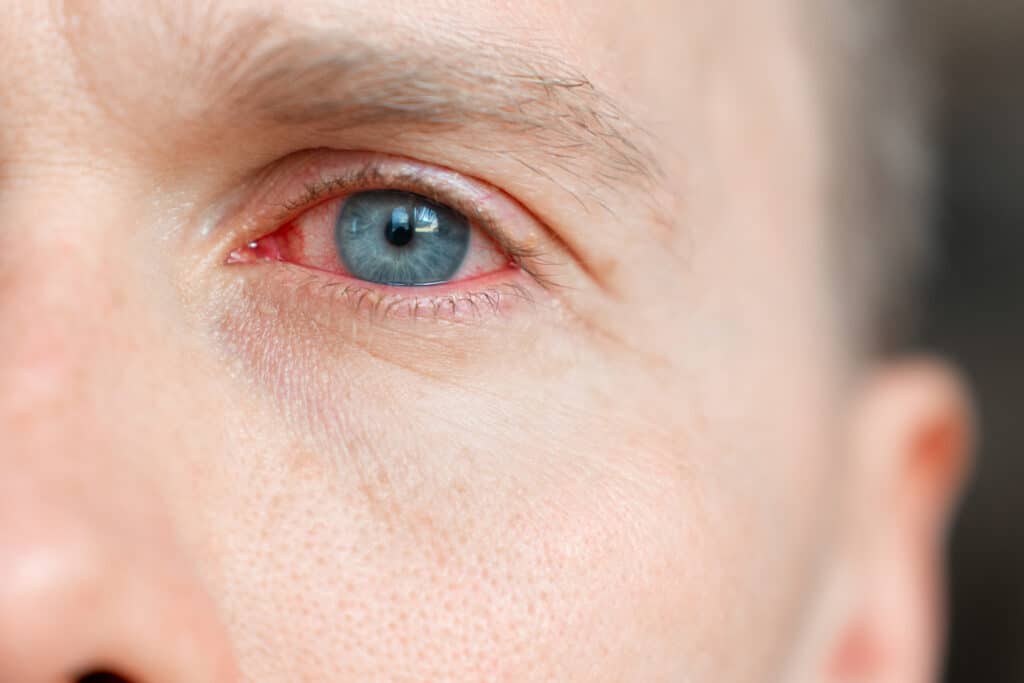
A healthy tear film is made of an outer oil layer and an inner mixed layer of water and mucus. These layers work together to lubricate the eye, protect it from irritants, and keep vision sharp. When any part of this system breaks down, whether tears evaporate too quickly, aren’t produced in sufficient quantity, or the ocular surface itself becomes inflamed, the result is dry eye.
Dry Eye Symptoms
Common symptoms include:
Although it’s counterintuitive, excessive watering can also be a symptom. The eye tries to lubricate itself due to poor tear film integrity. Dry eye can be caused or worsened by factors such as aging, hormonal changes such as menopause, prolonged screen time, certain medications, environmental conditions, contact lens wear, and underlying inflammatory conditions.
Because dry eye has so many possible causes, effective treatment starts with understanding exactly what is happening on the surface of your eye and modifying any exacerbating environmental factors.
How Is Dry Eye Diagnosed?
Dry eye is diagnosed through a combination of patient-reported symptoms and objective testing of the eye’s surface and tear function. No two cases of dry eye are alike, which is why Dr. Singh takes the time to determine the specific type and severity of your condition before building a treatment plan.
Your evaluation may include:
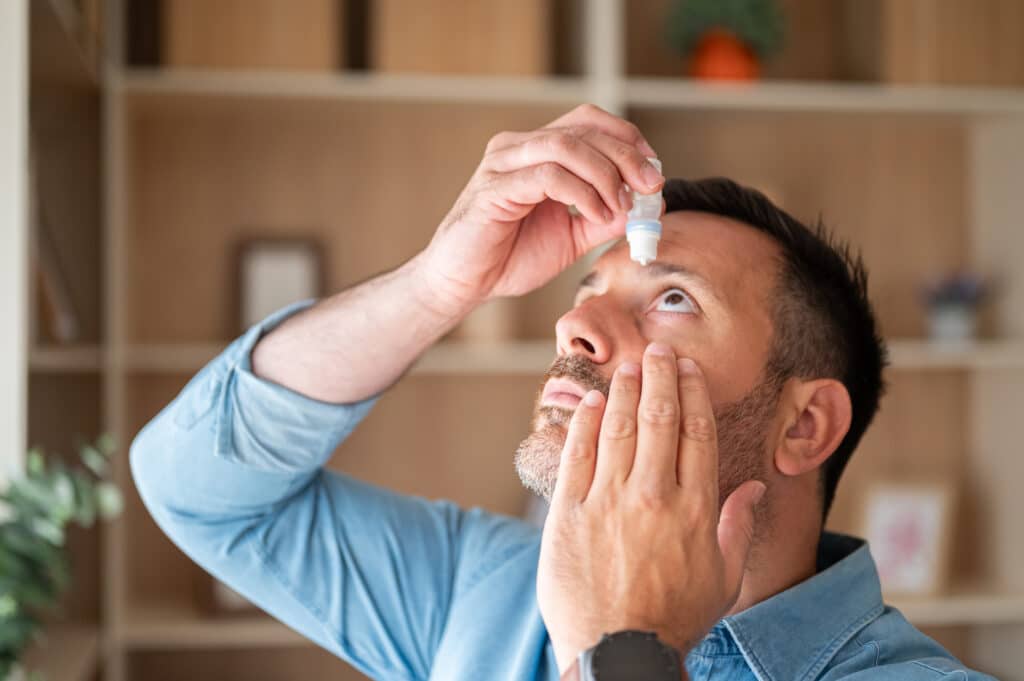
Pinpointing the underlying cause of your dry eye, whether it is caused by evaporative, aqueous deficiency, inflammatory, or medication/environmental factors, is the foundation required to develop a treatment plan that is built around your eyes.
Why Choose Singh Eye for Dry Eye Treatment
At Singh Eye, Dr. Singh evaluates your ocular surface, reads your test results, and assembles your treatment plan, from your very first visit through every adjustment along the way. What works at the start may need to evolve as your eyes respond, and having the same physician track that progress means changes to your plan are based on a thorough understanding of your history. At Singh Eye, your care stays personal, consistent, and centered on long-term comfort rather than a one-time fix.
Treatment Options for Dry Eye
Dr. Singh offers a full range of treatments and combines them as needed to bring you lasting relief.
Preservative-free artificial tear drops are the first step to keeping your eyes lubricated and comfortable. While many forms of dry eye require prescription drops or in-office procedures, artificial tears remain a daily staple to help keep your eyes comfortable.
Depending on the cause and severity of your dry eye, Dr. Singh may recommend prescription eye drops that can decrease ocular surface inflammation, stimulate tear production, treat blepharitis (eyelid inflammation that decreases oil production), or form a protective layer on the ocular surface to prevent tear evaporation. Being able to use drops with different mechanisms of action provides a personalized treatment plan to normalize the ocular surface and restore comfort.
For more significant cases causing decreased corneal nerve sensitivity or increased inflammation, an amniotic membrane can be placed on the eye like a contact lens. It delivers pro-growth and anti-inflammatory factors directly to the ocular surface, helping it recover more quickly than drops alone.
Tiny, virtually unnoticeable plugs are placed in the eye’s natural tear drainage channels to help your own tears stay on the eye’s surface longer. Alternatively, a gel-based option can be used to help retain moisture and improve comfort.
For cases that do not respond to the above treatments, eye drops can be made from a sample of your own blood serum. These serum tears provide natural healing and growth factors that closely resemble your body’s own tears, offering relief when conventional drops are not enough.
Dr. Singh will explain which options make sense for you and why.
Frequently Asked Questions
Take the Next Step Toward Comfort
If chronic dry eye or ocular surface discomfort has been affecting your daily life, schedule an evaluation with Dr. Singh and get a treatment plan built around the root cause of your symptoms.